

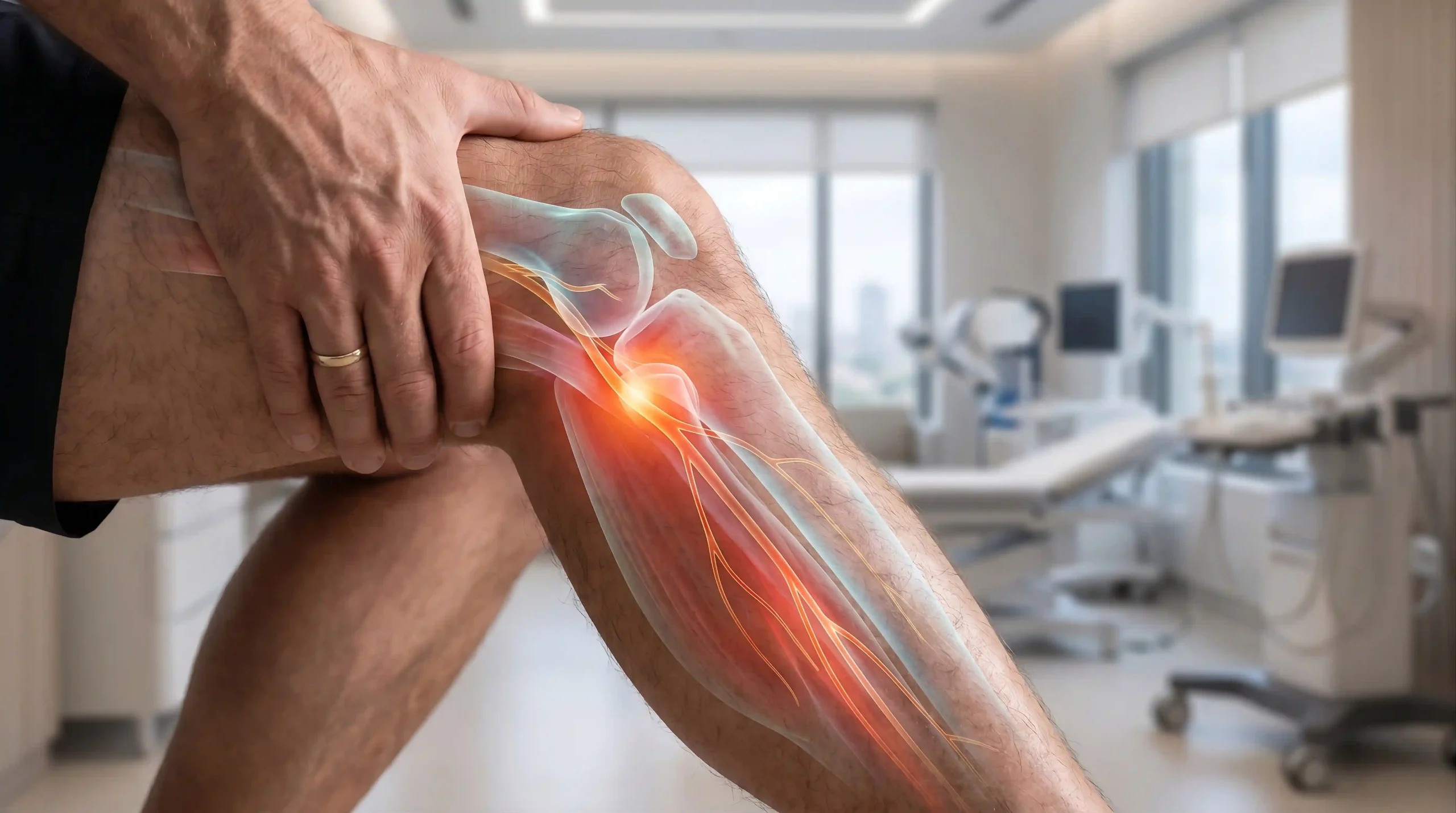
Peripheral Neuropathy and Neuropathic Pain Treatment
BioHealth Pain Management Specialists
Peripheral neuropathy and neuropathic pain can cause burning, tingling, numbness, and weakness that interfere with movement and daily activities. BioHealth Pain Management provides personalized treatment to manage nerve pain and improve function.
What Are Peripheral Neuropathy and Neuropathic Pain?
Peripheral neuropathy develops when nerves outside the brain and spinal cord become damaged or irritated. Neuropathic pain is pain caused by damage or dysfunction within the nervous system.
Common symptoms include:
- Burning or electric pain
- Numbness and tingling
- Increased sensitivity to touch
- Muscle weakness
- Poor balance or coordination
- Sharp or shooting sensations
- Pain commonly affecting the hands or feet
Benefits of Neuropathic Pain Treatment
Personalized treatment may help reduce pain, improve sleep and mobility, protect physical function, and make everyday activities more manageable.
If nerve pain, numbness, or tingling is affecting your daily life, contact BioHealth Pain Management at 424-360-0066 to schedule an evaluation.
How Are Peripheral Neuropathy and Neuropathic Pain Treated?
Treatment depends on the affected nerves and underlying cause. Options may include medication, physical therapy, lifestyle changes, nerve blocks, spinal cord stimulation, or other minimally invasive pain management procedures.
Frequently Asked Questions
Possible causes include diabetes, injuries, infections, autoimmune conditions, vitamin deficiencies, certain medications, toxin exposure, and inherited disorders. Sometimes, the cause remains unknown.
Neuropathy describes nerve damage or dysfunction. Neuropathic pain is one possible symptom of that damage, although neuropathy may also cause numbness, weakness, or balance problems.
Some cases improve when the underlying cause is identified and treated. Other forms of nerve damage may be permanent, but treatment can help manage symptoms and protect function.
Diagnosis may include a medical history, neurological examination, blood tests, nerve conduction studies, electromyography, or imaging.
Spinal cord stimulation may help selected patients with chronic neuropathic pain that has not improved with conservative treatments. A temporary trial is generally performed before permanent placement.