
Spinal Stenosis Treatment
BioHealth Pain Management Specialists
Spinal stenosis can cause neck or back pain, numbness, weakness, and difficulty walking. BioHealth Pain Management provides personalized spinal stenosis treatment to relieve nerve pressure, improve mobility, and help patients remain active.
What Is Spinal Stenosis?
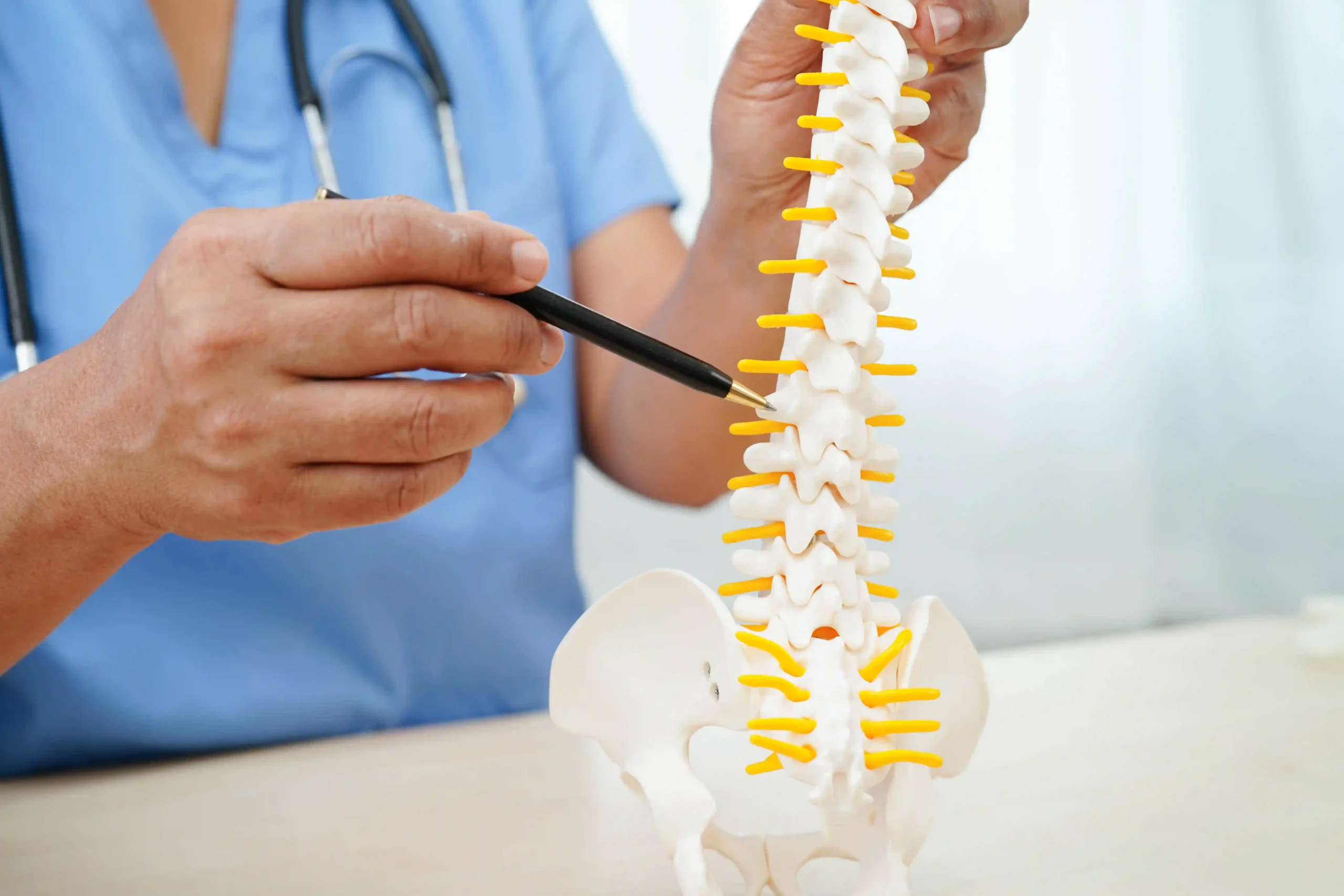
Spinal stenosis occurs when spaces within the spine become narrow and place pressure on the spinal cord or nearby nerves. It most commonly affects the lower back or neck.
Symptoms may include:
- Neck or lower back pain
- Pain that travels into an arm or leg
- Numbness or tingling
- Muscle weakness
- Leg cramping while walking
- Balance or coordination problems
Benefits of Spinal Stenosis Treatment
Treatment may help reduce pain and inflammation, improve walking and mobility, relieve nerve-related symptoms, and make everyday activities more comfortable.
If spinal stenosis symptoms are limiting your mobility, contact BioHealth Pain Management at 424-360-0066 to schedule an evaluation.
How Is Spinal Stenosis Treated?
Treatment depends on the location and severity of the narrowing. Options may include medication, physical therapy, activity modifications, epidural steroid injections, nerve blocks, or other minimally invasive pain management procedures. Severe cases may require a surgical evaluation.
Frequently Asked Questions
Common causes include arthritis, bone spurs, herniated discs, thickened ligaments, and other age-related changes affecting the spine.
Symptoms may include pain, numbness, tingling, weakness, or cramping. Lumbar spinal stenosis often affects the lower back and legs, while cervical spinal stenosis may affect the neck, arms, and hands.
No. Spinal stenosis is a narrowing within the spine. Sciatica is nerve pain that travels from the lower back into the leg. However, spinal stenosis can cause sciatica.
Diagnosis may include a medical history, physical examination, neurological testing, and imaging such as an X-ray or MRI.
Seek urgent care for sudden bowel or bladder problems, numbness around the groin, rapidly worsening weakness, severe balance problems, or difficulty controlling your arms or legs.