

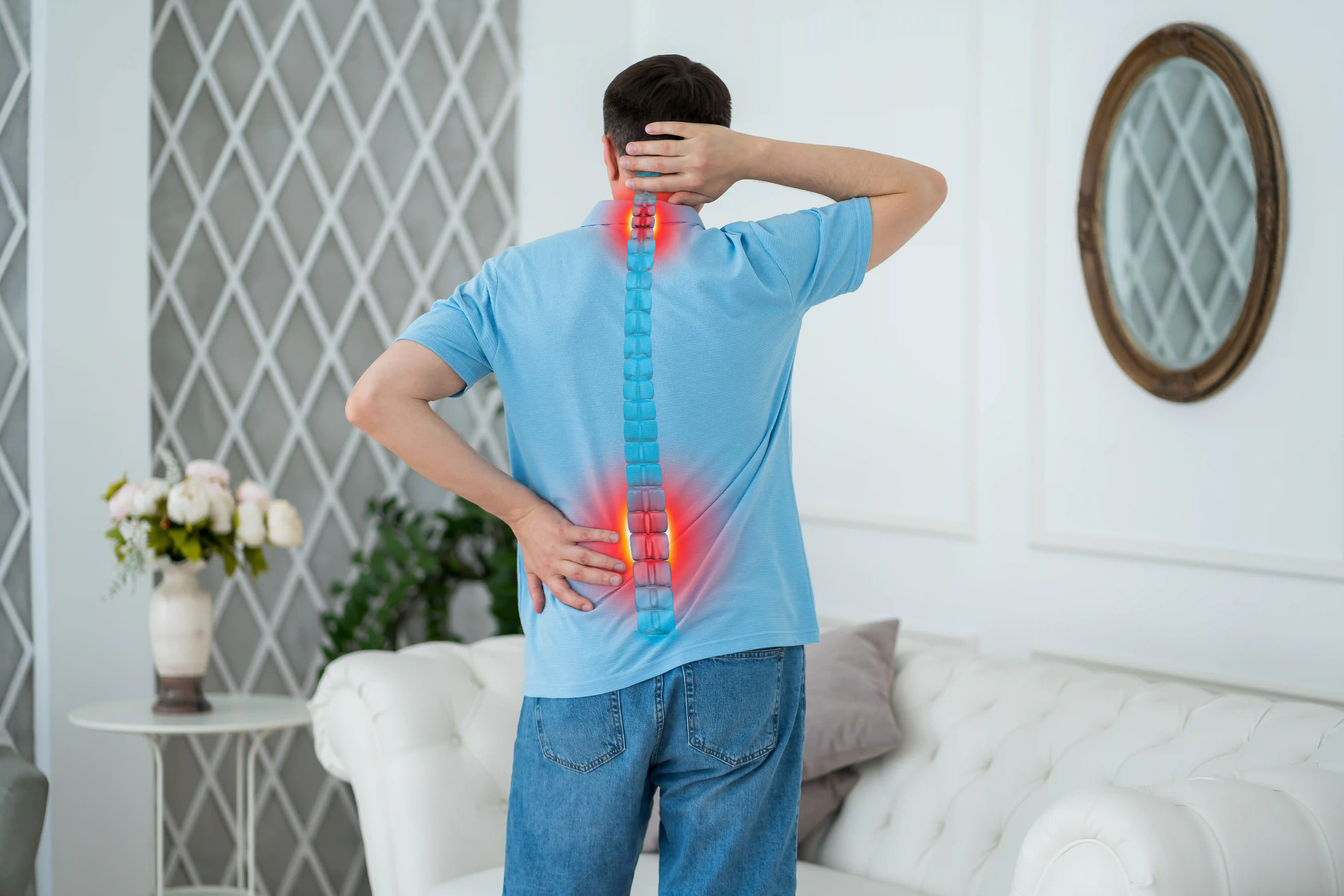
Cervical and Lumbar Spondylosis Treatment
BioHealth Pain Management Specialists
Cervical and lumbar spondylosis can cause persistent neck or lower back pain, stiffness, and limited mobility. BioHealth Pain Management provides personalized treatment to reduce discomfort and help patients move more comfortably.
What Is Spondylosis?
Spondylosis refers to age-related changes affecting the discs, joints, bones, and ligaments of the spine. Cervical spondylosis affects the neck, while lumbar spondylosis affects the lower back.
Symptoms may include:
- Neck or lower back pain
- Stiffness and reduced flexibility
- Muscle spasms
- Pain that travels into an arm or leg
- Numbness or tingling
- Muscle weakness
Some people have spinal changes without noticeable symptoms. Pain may develop when these changes irritate nearby joints, nerves, or other tissues.
Benefits of Spondylosis Treatment
Treatment may help reduce pain and inflammation, improve flexibility and mobility, relieve nerve-related symptoms, and make daily activities more manageable.
If neck or lower back pain is affecting your quality of life, contact BioHealth Pain Management at 424-360-0066 to schedule an evaluation.
How Is Spondylosis Treated?
Treatment depends on the location and severity of your symptoms. Options may include medication, physical therapy, activity modifications, spinal injections, nerve blocks, radiofrequency ablation, or other minimally invasive pain management procedures.
Frequently Asked Questions
Cervical spondylosis affects the neck, while lumbar spondylosis affects the lower back. Both conditions involve degenerative changes within the spine.
Spondylosis usually develops through age-related wear and tear. Previous injuries, repetitive movements, genetics, and physically demanding activities may also contribute.
Degenerative changes cannot usually be reversed, but treatment may relieve pain, improve function, and help patients remain active.
Diagnosis may include a medical history, physical examination, neurological testing, and imaging such as an X-ray or MRI.
Seek urgent care for sudden bowel or bladder problems, rapidly worsening weakness, severe balance problems, numbness around the groin, or loss of coordination.