
Lower Back Pain Treatment
BioHealth Pain Management Specialists
Lower back pain can make it difficult to work, exercise, sleep, or complete everyday activities. BioHealth Pain Management provides personalized care to identify the source of your symptoms and develop an appropriate treatment plan.
What Is Lower Back Pain?
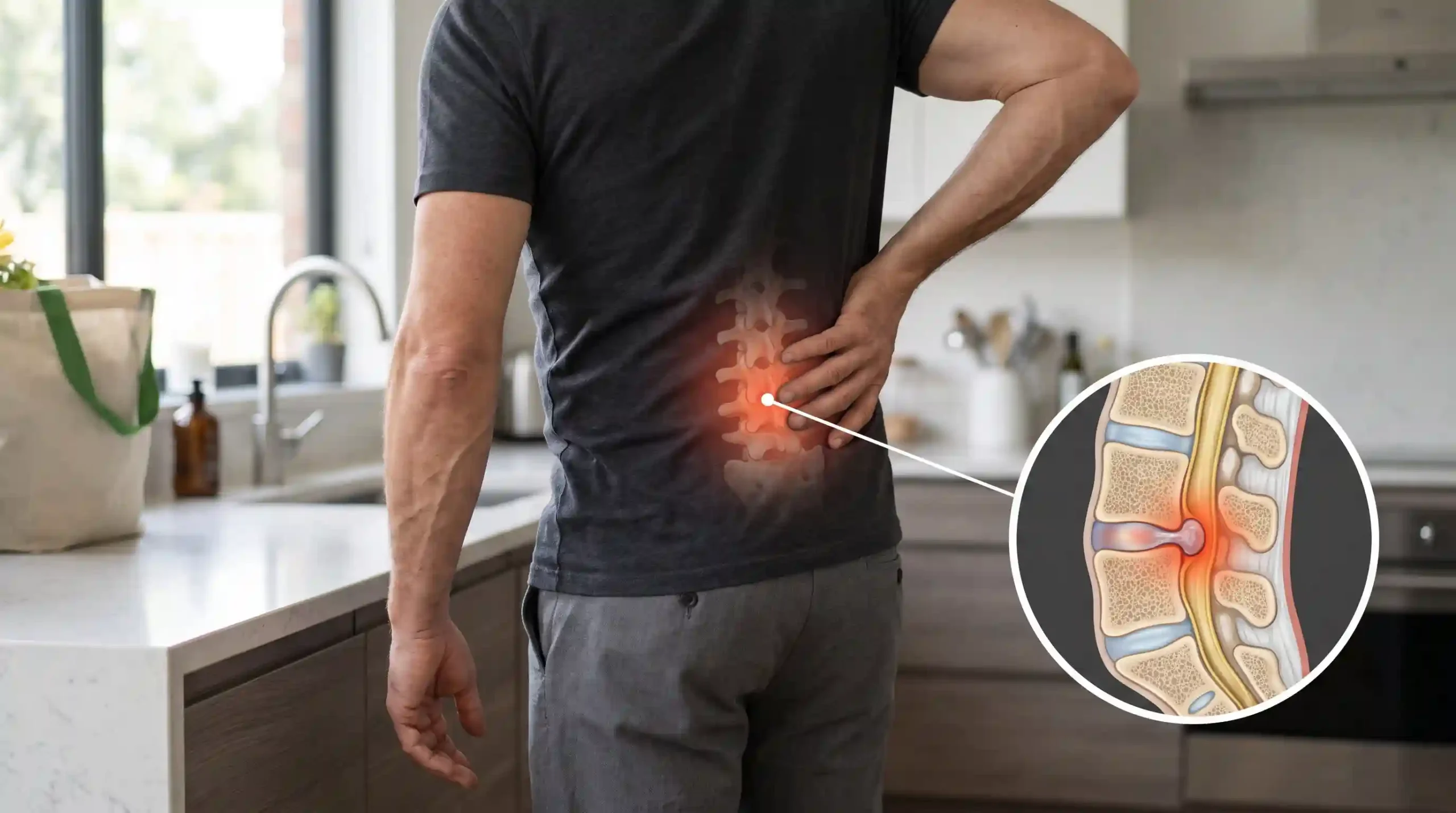
Lower back pain affects the lumbar region of the spine. It may develop suddenly after an injury or gradually because of aging, repetitive movement, poor posture, or an underlying condition.
Common symptoms include:
- Aching or stiffness in the lower back
- Sharp or burning pain
- Muscle spasms
- Difficulty standing or bending
- Pain extending into the hips, buttocks, or legs
- Numbness, tingling, or weakness
Benefits of Lower Back Pain Treatment
Treatment may help reduce pain, improve mobility, restore function, and make daily activities more manageable. Identifying the cause of your symptoms also helps your provider recommend care suited to your specific condition.
Do not let lower back pain control your routine. Call BioHealth Pain Management at 424-360-0066 to schedule an evaluation.
How Is Lower Back Pain Treated?
Treatment depends on the cause and severity of your pain. Your care plan may include medication management, physical therapy, activity modifications, image-guided injections, or other minimally invasive pain treatments when appropriate.
Frequently Asked Questions
Common causes include muscle strains, ligament sprains, herniated discs, arthritis, spinal stenosis, nerve irritation, injuries, and age-related spinal changes.
Consider an evaluation when pain persists, repeatedly returns, travels into your legs, or interferes with sleep, work, or daily activities.
Not everyone with lower back pain needs imaging. Your provider may recommend an X-ray, MRI, or another test based on your symptoms and examination.
Yes. An irritated or compressed spinal nerve can cause pain, numbness, tingling, or weakness that extends into the buttocks or legs.
Many cases can be managed with nonsurgical care. Treatment depends on the diagnosis, symptom severity, and response to conservative options.