
Vertebral Compression Fracture Treatment
BioHealth Pain Management Specialists
Vertebral compression fractures can cause sudden or persistent back pain, reduced mobility, and changes in posture. BioHealth Pain Management provides personalized treatment to relieve pain, stabilize the spine, and help patients return to daily activities.
What Is a Vertebral Compression Fracture?
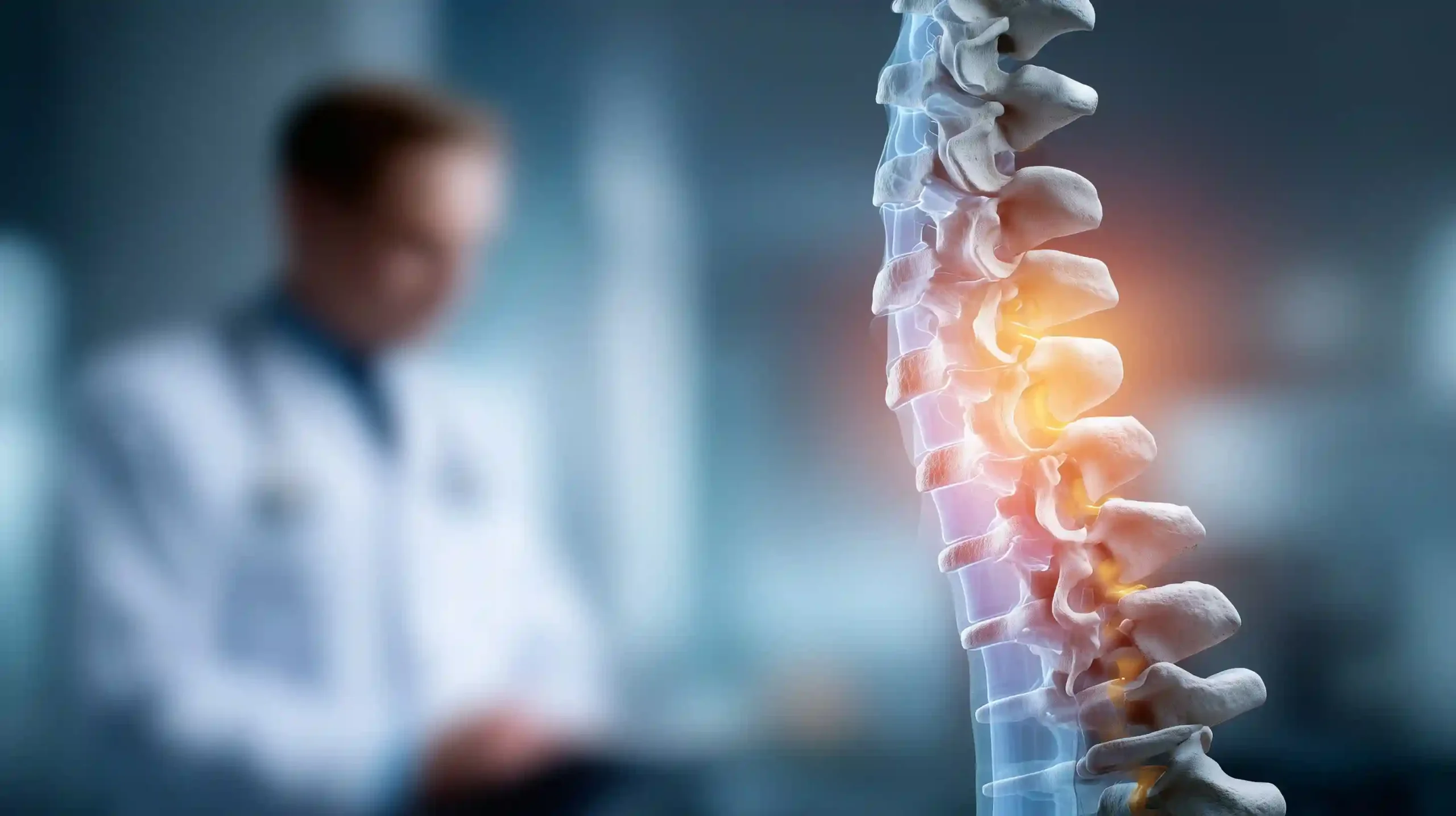
A vertebral compression fracture occurs when a vertebra weakens and collapses. These fractures commonly develop because of osteoporosis but may also result from trauma, certain cancers, or other conditions that weaken the bones.
Symptoms may include:
- udden or worsening back pain
- Pain that increases while standing or walking
- Reduced spinal mobility
- Loss of height
- Stooped or hunched posture
- Tenderness near the affected vertebra
Some compression fractures develop gradually and cause few noticeable symptoms.
Benefits of Compression Fracture Treatment
Personalized treatment may help reduce pain, improve mobility, stabilize the affected vertebra, and prevent further changes in posture or function.
If sudden or persistent back pain is limiting your movement, contact BioHealth Pain Management at 424-360-0066 to schedule an evaluation.
How Are Vertebral Compression Fractures Treated?
Treatment depends on the fracture’s cause and severity. Options may include medication, bracing, activity modifications, physical therapy, and treatment for osteoporosis. Persistent or severe pain may be treated with vertebroplasty, kyphoplasty, or another appropriate procedure.
Frequently Asked Questions
Osteoporosis is the most common cause. These fractures may also result from a fall, accident, cancer affecting the spine, or another condition that weakens bone.
It may cause sudden, sharp back pain or a gradual ache that worsens while standing, walking, bending, or lifting.
Diagnosis may include a medical history, physical examination, X-rays, MRI, CT imaging, or a bone density test.
Both procedures use bone cement to stabilize a fractured vertebra. Kyphoplasty also uses a small balloon to create space before the cement is placed.
Seek urgent care for severe pain following an injury, new weakness or numbness, difficulty walking, or sudden bowel or bladder changes.