

Trigger Point Injections
BioHealth Pain Management Specialists
Trigger point injections are minimally invasive treatments for painful muscle knots that may cause localized or referred pain. They are often used as part of a broader treatment plan for persistent muscle pain and stiffness.
What Is a Trigger Point Injection?
Trigger points are tight, sensitive areas within a muscle. Pressing these areas may cause pain at the site or in another part of the body.
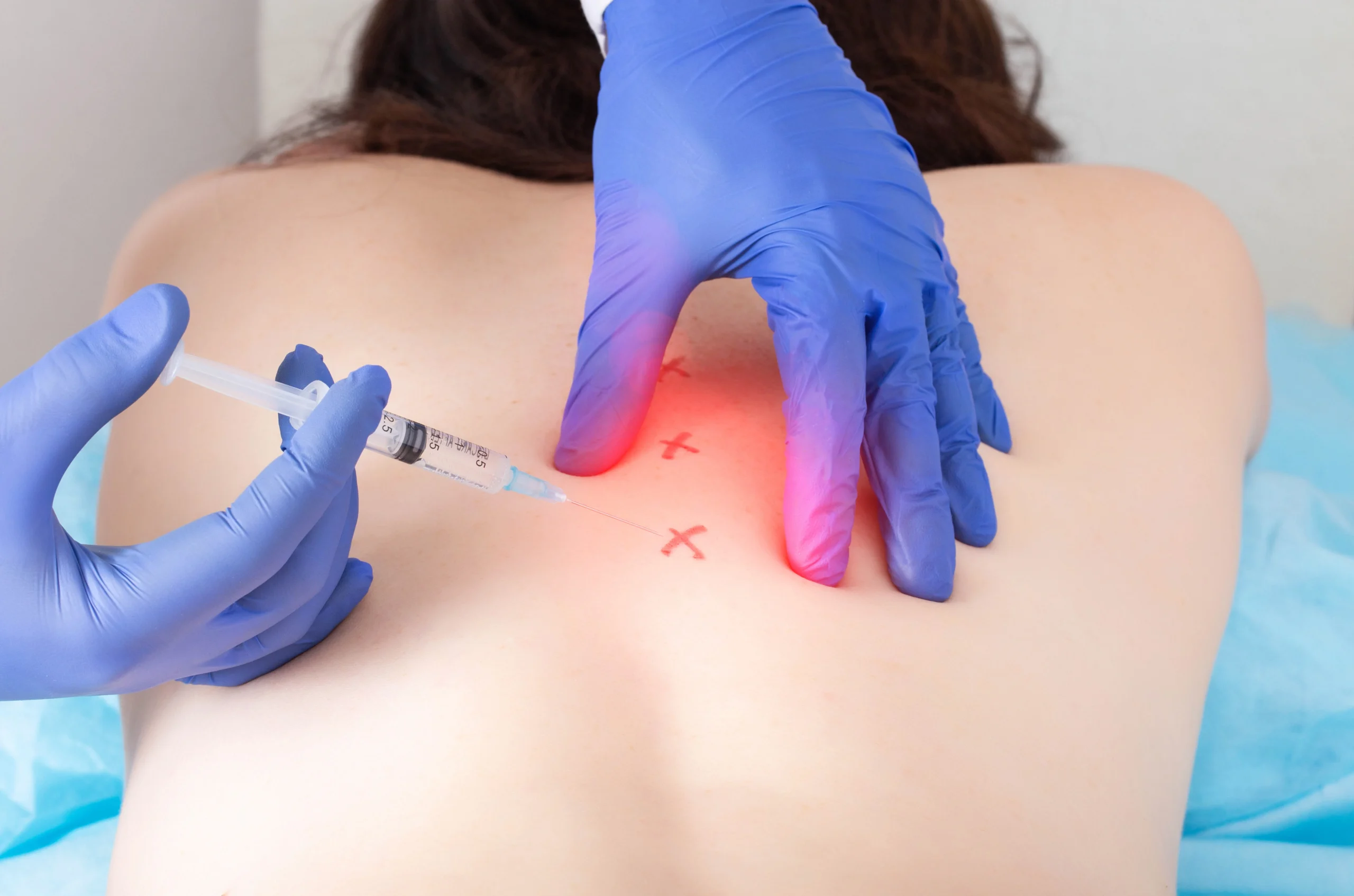
During treatment, a small needle is inserted into the trigger point. The injection may contain a local anesthetic and, in some cases, a corticosteroid.
Trigger point injections may be considered for:
- Myofascial pain syndrome
- Muscle spasms
- Neck and shoulder pain
- Upper or lower back pain
- Tension-related headaches
- Painful muscle knots
Benefits of Trigger Point Injections
Trigger point injections may help relax tight muscles, reduce pain, improve range of motion, and make stretching or physical therapy more comfortable.
Find out whether trigger point injections may help relieve your muscle pain. Call BioHealth Pain Management at 424-360-0066.
What to Expect During Treatment
The physician locates the painful trigger point and cleans the treatment area. A small needle is inserted directly into the affected muscle, and medication is delivered when appropriate. Patients generally return home shortly after treatment.
Frequently Asked Questions
A trigger point may feel like a tender knot or tight band within a muscle. Pressing it can cause localized pain or discomfort in another area.
Patients may feel brief pressure, stinging, or muscle discomfort during the injection. The area can remain sore for a short time afterward.
Some patients notice relief shortly after treatment, while others experience gradual improvement over the following days.
The duration of relief varies. Results may last from several days to several months depending on the condition and individual response.
Trigger point injections are generally considered safe. Temporary soreness, bruising, bleeding, or numbness can occur, and uncommon complications will be discussed before treatment.