

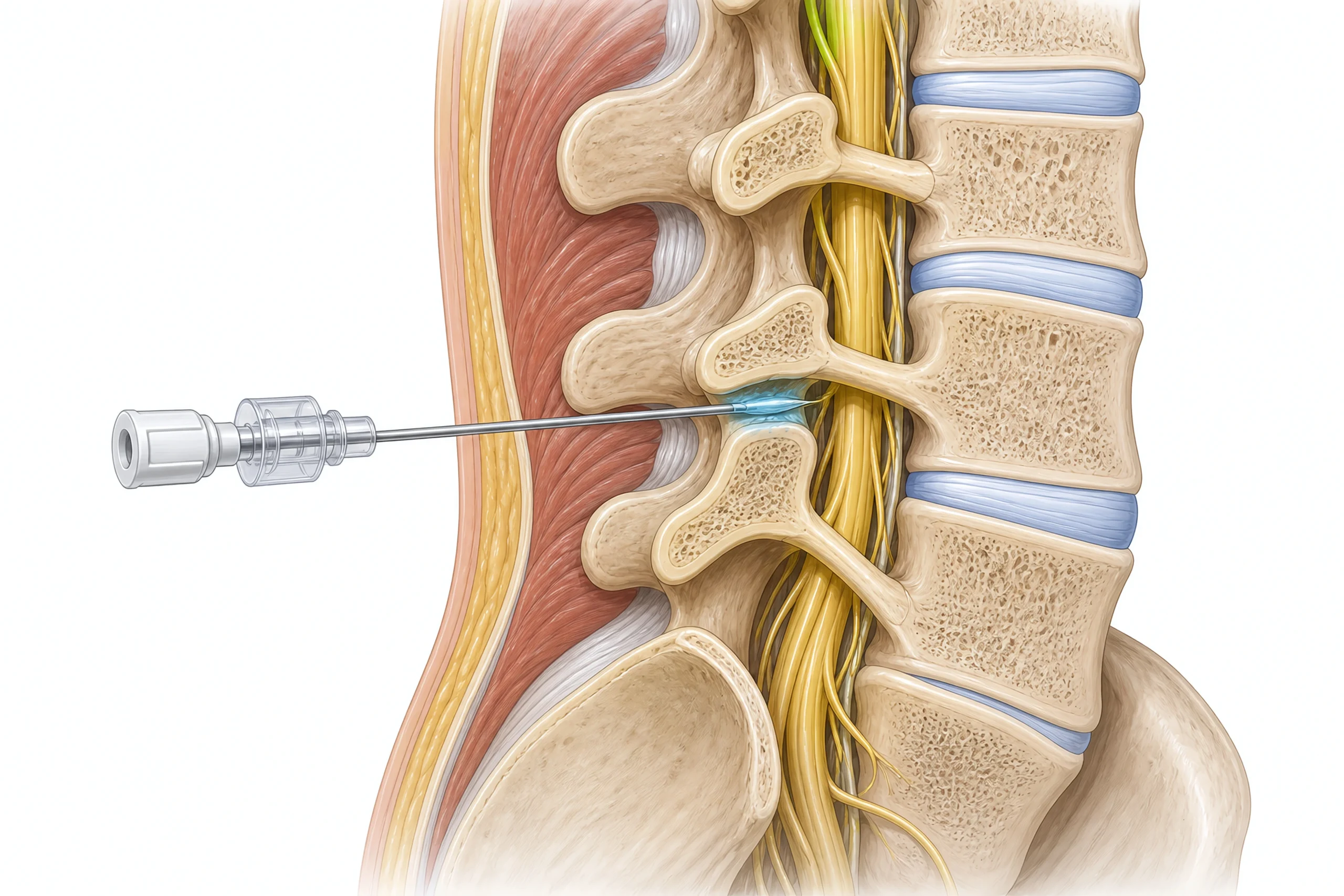
Nerve Blocks
BioHealth Pain Management Specialists
Nerve blocks are minimally invasive procedures used to interrupt pain signals traveling through specific nerves. They may provide temporary pain relief or help identify the source of persistent pain.
What Is a Nerve Block?
A nerve block involves injecting medication around a targeted nerve or group of nerves. The injection commonly contains a local anesthetic and may include a corticosteroid to reduce inflammation.
Nerve blocks may be considered for:
- Neuropathic pain
- Neuralgia
- Complex regional pain syndrome
- Chronic headaches
- Neck or back pain
- Joint or extremity pain
- Pain following an injury or surgery
Benefits of Nerve Blocks
Depending on the type of block, treatment may:
- Temporarily reduce pain
- Help identify the nerve causing symptoms
- Improve mobility and daily function
- Reduce inflammation around an irritated nerve
- Guide decisions about additional treatment
Find out whether a nerve block may help manage your pain. Call BioHealth Pain Management at 424-360-0066 to schedule an evaluation.
What to Expect During the Procedure
The treatment area is cleaned and numbed. The physician may use ultrasound, fluoroscopy, or another imaging method to guide the needle toward the targeted nerve. Medication is then carefully injected, and the patient is monitored before returning home.
Frequently Asked Questions
Yes. The type of nerve block depends on the location of the pain, the nerve involved, and whether the procedure is being used for diagnosis or treatment.
The local anesthetic may begin working shortly after the injection. The timing varies depending on the medication and type of block.
Relief may last from several hours to several months. Results vary based on the condition, medication, and individual response.
Patients are generally awake. Local anesthetic is used to numb the injection area, and additional medication may be offered when appropriate.
Nerve blocks are generally considered safe when properly performed, but risks such as bleeding, infection, medication reactions, or nerve injury are possible. Your physician will review the benefits and risks before treatment.