

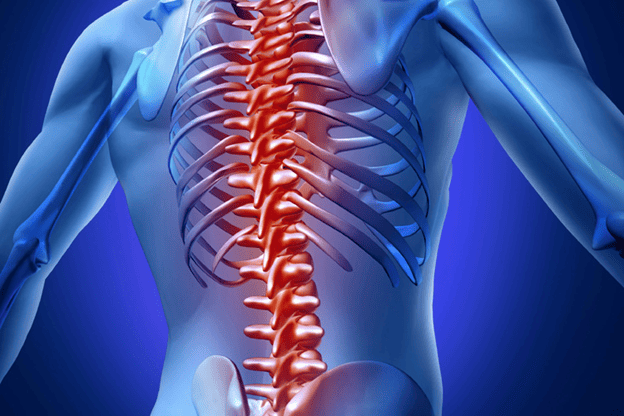
Chronic nerve pain can interfere with everyday activities, sleep, mobility, and quality of life. For patients who have not experienced lasting relief from conservative treatments, advanced pain management options may offer another path forward.
At BioHealth Pain Management, serving Lawndale, Whittier, Encino, and Arcadia, CA, spinal cord stimulation (SCS) works by delivering mild electrical impulses to the spinal cord to modify pain signals before they reach the brain. Using thin epidural lead wires connected to an implantable pulse generator, this therapy changes how the nervous system processes pain. Depending on the stimulation technology, patients may experience a gentle tingling sensation or pain relief without noticeable stimulation.
The Science of Neuromodulation: Modifying the Pain Pathway
How Pain Signals Travel to the Brain
Pain is a complex neurological process. When nerves are damaged or irritated, they can generate abnormal electrical signals that travel through the peripheral nervous system toward the spinal cord and brain.
The spinal cord acts as a major communication pathway, transmitting sensory information to the brain, where pain is processed and interpreted. In conditions such as chronic neuropathy, persistent sciatica, or failed back surgery syndrome, this signaling process can become disrupted, contributing to ongoing pain even after the original injury has healed.
Spinal cord stimulation targets this pathway by introducing controlled electrical impulses that modify the transmission and processing of pain signals.
Gate Control Theory: Closing the Neurological Pain Gate
One explanation for how traditional spinal cord stimulation works is the Gate Control Theory of pain, developed by researchers Ronald Melzack and Patrick Wall.
This theory describes how non-painful sensory input can influence the transmission of pain signals within the spinal cord. Electrical stimulation can activate certain sensory nerve fibers, changing the way pain-related signals are processed.
Traditional spinal cord stimulation often produces a mild tingling sensation known as paresthesia. This sensation can overlap with areas where patients experience pain, helping modify their perception of discomfort.
Modern stimulation approaches, including high-frequency and other sub-perception waveforms, use different mechanisms and stimulation patterns to provide pain relief without necessarily producing tingling.
Also Read: Living with a Spinal Cord Stimulator
Components of a Spinal Cord Stimulation System
Understanding the components of a spinal cord stimulator can help patients feel more informed about the procedure.
Epidural Lead Wires and Electrodes
Spinal cord stimulation systems use thin lead wires containing electrodes. These leads are positioned in the epidural space near the spinal cord, allowing electrical impulses to reach targeted neural structures.
The placement of the leads depends on the patient’s pain distribution, medical history, and treatment goals. During a temporary trial, external equipment delivers stimulation through trial leads. Permanent systems use implanted leads connected to an internal pulse generator.
Implantable Pulse Generator and Handheld Programmer
The implantable pulse generator (IPG) is a small device placed beneath the skin. It produces the electrical pulses delivered through the lead wires.
Depending on the system, the IPG may have a rechargeable or non-rechargeable battery. Patients may also receive a handheld programmer or remote that allows them to adjust approved stimulation settings.
The programming process is individualized, with the goal of finding stimulation parameters that support comfort, daily function, and pain management.
Traditional vs. Modern High-Frequency Spinal Cord Stimulation
Different spinal cord stimulation technologies use different frequencies and stimulation patterns. Understanding these differences helps patients discuss their options with an interventional pain specialist.
Types of Spinal Cord Stimulation
| Feature | Traditional Low-Frequency SCS | High-Frequency 10 kHz SCS | Differential Target Multiplexed (DTM) SCS |
|---|---|---|---|
| Pulse frequency | Typically 50–100 Hz | 10,000 Hz | Multiple customized waveforms |
| Sensation | Often produces tingling (paresthesia) | Generally sub-perception | May be sub-perception or produce customized sensations |
| Stimulation approach | Modifies pain signaling with sensory stimulation | Uses high-frequency stimulation without typical tingling | Uses a differentiated stimulation approach targeting neural and glial signaling |
| Potential treatment applications | Chronic nerve pain affecting the legs or arms | Selected cases of persistent back pain and neuropathic pain | Selected cases of chronic pain, including failed back surgery syndrome |
The appropriate technology depends on individual clinical factors, treatment goals, device availability, and the patient’s response to therapy. No single stimulation modality is suitable for everyone.
Who Is a Candidate for Spinal Cord Stimulation in Southern California?
Spinal cord stimulation may be considered for patients with certain chronic neuropathic pain conditions who have not achieved sufficient relief from other treatments.
Conditions That May Respond to SCS Therapy
Spinal cord stimulation may be evaluated as a treatment option for:
Failed Back Surgery Syndrome (FBSS): Persistent or recurring pain following spinal surgery.
Complex Regional Pain Syndrome (CRPS): A chronic pain condition that can involve disproportionate pain, sensitivity, and changes in skin temperature or color.
Persistent Sciatica and Radiculopathy: Pain caused by irritation or compression of spinal nerve roots, sometimes radiating into the legs.
Diabetic Peripheral Neuropathy: Nerve damage associated with diabetes that may cause burning, tingling, numbness, or persistent pain.
Candidacy is determined through a comprehensive evaluation. Medical history, previous treatments, imaging, pain patterns, functional limitations, and other health considerations all contribute to the decision.
The Temporary SCS Trial: Evaluating Your Response
Before permanent implantation, many patients undergo a temporary spinal cord stimulation trial.
During this phase, temporary leads are placed through the skin into the epidural space and connected to an external pulse generator. The trial generally lasts approximately five to seven days.
Patients evaluate their pain levels, activity tolerance, sleep, and everyday function during this period. A reduction in pain of approximately 50% or greater is a commonly used benchmark for a successful trial, although functional improvements and individual clinical considerations also matter.
The trial gives patients and their care team an opportunity to assess whether spinal cord stimulation provides meaningful benefits before proceeding with permanent implantation.
The Spinal Cord Stimulation Journey at BioHealth Pain Management
At BioHealth Pain Management, the treatment process can be understood in four general steps.
Step 1: Comprehensive Interventional Consultation and Diagnostic Evaluation
The process begins with a consultation to review medical history, previous treatments, diagnostic imaging such as MRI scans when available, and the patient’s current symptoms. The specialist evaluates whether spinal cord stimulation may be appropriate.
Step 2: Temporary Five-to-Seven-Day SCS Trial
If a trial is appropriate, temporary leads are placed during a minimally invasive procedure. The external stimulation system is programmed to help patients evaluate pain relief and functional improvement in their daily lives.
Step 3: Permanent System Placement
Patients who experience meaningful benefits during the trial may be considered for permanent implantation. The procedure involves placing the permanent leads and implantable pulse generator beneath the skin.
Step 4: Personalized Programming and Long-Term Pain Management
After implantation, the stimulation system is programmed and adjusted based on the patient’s response. Follow-up visits help optimize stimulation settings, address concerns, and support ongoing pain management and functional goals.
Also Read: What Happens During and After a Spinal Cord Stimulation Trial?
Why Choose BioHealth Pain Management in Lawndale, Whittier, Encino, and Arcadia?
Choosing a pain management provider involves more than selecting a treatment. Patients also need a care team that understands chronic pain, evaluates individual needs, and offers treatment options that align with their medical circumstances.
Interventional Pain Management Specialists
BioHealth Pain Management focuses on interventional pain management, including spinal cord stimulation and other minimally invasive treatment options.
An individualized approach considers a patient’s symptoms, medical history, prior treatment response, and personal goals. The objective is to explore appropriate strategies for managing chronic pain while supporting mobility and quality of life.
Convenient Southern California Locations
BioHealth Pain Management serves patients throughout the Greater Los Angeles area, with locations in:
These locations provide access to interventional pain management evaluations for patients seeking information about spinal cord stimulation and other chronic pain treatment options.
Frequently Asked Questions
Spinal cord stimulation (SCS) uses mild electrical impulses delivered through thin leads placed in the epidural space near the spinal cord. These impulses modify how the nervous system processes pain signals traveling toward the brain. Traditional stimulation may activate non-painful sensory pathways, helping reduce the perception of pain, while newer technologies use different stimulation patterns to provide relief without noticeable tingling. By changing pain signal processing, spinal cord stimulation may help patients manage persistent nerve pain that has not responded adequately to other treatments.
It depends on the type of spinal cord stimulation system used. Traditional low-frequency stimulation often produces a mild tingling sensation called paresthesia, which may overlap with the areas where pain is experienced. However, modern high-frequency stimulation, such as 10 kHz SCS, is designed to provide pain relief without producing noticeable tingling. Your pain management specialist can discuss the available technologies and help determine which stimulation approach may be appropriate for your condition and treatment goals.
The temporary spinal cord stimulator trial allows patients to evaluate how well spinal cord stimulation manages their chronic pain before committing to permanent implantation. During this trial, which typically lasts five to seven days, thin temporary leads are placed in the epidural space and connected to an external pulse generator. Patients can assess changes in pain intensity, sleep, mobility, and daily activities while using the device. A reduction in pain of approximately 50% or greater is a common benchmark for proceeding to permanent implantation, although individual clinical factors and functional improvements are also considered.
Spinal cord stimulation may be considered for certain chronic nerve-related pain conditions, including failed back surgery syndrome (FBSS), complex regional pain syndrome (CRPS), persistent sciatica or radiculopathy, and diabetic peripheral neuropathy. Whether SCS is appropriate depends on the nature of your pain, previous treatments, diagnostic findings, and other individual health factors. A comprehensive evaluation can help determine whether this treatment may be appropriate for you.
Yes. Spinal cord stimulation is generally considered a reversible treatment because the device can be switched off, its settings can be adjusted, and the implanted system can usually be surgically removed if necessary. Unlike procedures that permanently alter spinal structures, spinal cord stimulation is designed to modify pain signaling without intentionally changing the underlying anatomy of the spine.
However, device removal requires a medical procedure and carries its own risks. Turning off or removing the stimulator also does not necessarily eliminate the original pain condition. Your pain management specialist can explain the potential benefits, risks, and limitations of the treatment before you make a decision.
Scheduling an evaluation with BioHealth Pain Management is the first step toward determining whether spinal cord stimulation may be appropriate for your chronic pain.
During your evaluation, an interventional pain management specialist can review your medical history, previous treatments, symptoms, and diagnostic findings to determine whether spinal cord stimulation or another pain management approach may fit your needs.
Individual treatment recommendations depend on your medical circumstances, clinical evaluation, and treatment goals.
Schedule Your Chronic Pain Consultation Today
Living with persistent nerve pain can make everyday activities difficult. For patients who have not achieved sufficient relief through conservative treatments, spinal cord stimulation may offer another option to explore.
At BioHealth Pain Management, patients in Lawndale, Whittier, Encino, Arcadia, and surrounding Southern California communities can schedule an interventional pain management evaluation to discuss their symptoms, previous treatments, and whether spinal cord stimulation may be appropriate.
Contact our team to schedule your consultation.
Medical Disclaimer: This article is intended for general educational purposes and does not constitute medical advice. Spinal cord stimulation candidacy, trial outcomes, potential risks, and pain relief vary among individuals. Consult a qualified pain management specialist for a personalized evaluation and treatment plan.