
Nonsurgical Pain Management: Modern Relief for Lower Back Pain, Sciatica, Spinal Stenosis, and Migraines
Last Updated: 11/02/2026
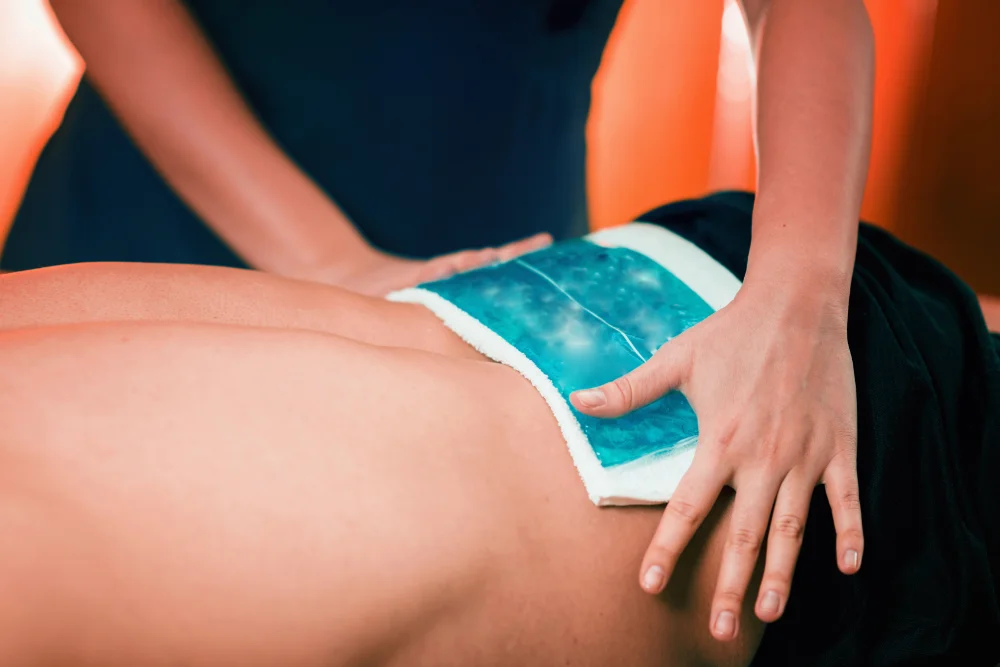
At BioHealth Pain Management, we take an individualized approach to nonsurgical care for lower back pain, sciatica, spinal stenosis, chronic migraines, and other pain conditions. Treatment begins by evaluating what may be contributing to your symptoms and determining which options fit your diagnosis, treatment history, and goals. When appropriate,nonsurgical care may include image-guided interventional procedures using fluoroscopy or ultrasound, along with physical therapy, medication management, rehabilitation, or other approaches. The goal is not simply to avoid surgery, but to match treatment to the source of your symptoms while helping you improve function and manage pain.
Understanding the Approach
The Science of Modern Nonsurgical Interventional Pain Management
Interventional pain management focuses on identifying and treating specific structures involved in pain. Instead of relying exclusively on medications that affect the entire body, targeted procedures deliver medication or controlled energy to selected nerves, joints, or tissues.
These treatments may be used alongside physical therapy, medication management, and lifestyle modifications.
Image-Guided Precision: Live Fluoroscopy and High-Resolution Ultrasound
Fluoroscopy and ultrasound help physicians visualize anatomical structures during certain pain procedures.
Fluoroscopy uses real-time X-ray images to guide needles toward specific locations, including spinal joints and epidural spaces. Ultrasound uses sound waves to visualize soft tissues, muscles, nerves, and blood vessels.
Image guidance can improve procedural accuracy and help physicians position needles appropriately. The specific imaging method depends on the procedure, the anatomical target, and the patient’s individual circumstances.
Targeting Inflammation and Pain Signals
Inflammation, tissue irritation, and abnormal nerve signaling can contribute to persistent pain.
Epidural steroid injections deliver corticosteroid medication near irritated spinal nerve roots to reduce inflammation. Nerve blocks use local anesthetics, sometimes combined with other medications, to interrupt pain signals temporarily. Radiofrequency ablation uses controlled heat to disrupt selected sensory nerve pathways.
These procedures work differently and are not interchangeable. The choice depends on the suspected pain generator, diagnostic findings, previous treatment responses, and individual treatment goals.
Conditions We Treat
Targeting Major Pain Conditions with Outpatient Interventional Procedures
Nonsurgical Relief for Chronic Lower Back Pain
Lower back pain can originate from multiple anatomical structures, including intervertebral discs, facet joints, muscles, ligaments, and sacroiliac joints.
Facet joint arthritis may cause localized back pain that worsens with certain movements, such as bending backward or twisting. Disc-related pain may be associated with prolonged sitting, bending, or lifting. Sacroiliac joint dysfunction can produce pain around the lower back, pelvis, or buttocks.
Identifying the likely source is an important part of selecting treatment.
When RFA is appropriate and effective, the duration and degree of relief vary. The treated nerves can regenerate over time, which may allow symptoms to return.
A comprehensive treatment plan may also include physical therapy and exercises to improve core strength, flexibility, and functional movement.
Targeting Sciatica and Lumbar Radiculopathy
Sciatica describes pain that travels along the sciatic nerve pathway, often extending from the lower back or buttock into the leg. Lumbar radiculopathy occurs when a spinal nerve root becomes irritated or compressed.
A herniated disc, degenerative spinal changes, or narrowing around a nerve root can contribute to these symptoms. Patients may experience shooting pain, tingling, numbness, or weakness.
The symptoms and their distribution help physicians identify the affected nerve roots and determine whether further diagnostic testing is needed.
Interventional Solutions for Lumbar and Cervical Spinal Stenosis
Spinal stenosis occurs when spaces within the spinal canal or around the spinal nerves become narrower. This narrowing may develop from degenerative changes, thickened ligaments, bone spurs, or disc-related changes.
Lumbar spinal stenosis can cause lower back discomfort, leg pain, numbness, weakness, or heaviness while standing or walking. Some patients experience neurogenic claudication, in which symptoms worsen with prolonged standing or walking and improve when sitting or bending forward.
Cervical spinal stenosis affects the neck region. In some cases, it can compress the spinal cord or nerve roots, producing symptoms involving the arms, hands, balance, or coordination.
Not every patient with spinal stenosis is a candidate for these treatments. Severe or progressive neurological symptoms require prompt medical assessment, and some patients may need surgical consultation.
Advanced Interventional Approaches for Chronic Migraines and Headaches
Chronic migraines can interfere with daily activities, productivity, sleep, and emotional well-being. Persistent headaches may involve complex neurological pathways and can coexist with neck pain or other headache disorders.
A careful evaluation helps distinguish chronic migraine from other conditions, including occipital neuralgia and cervicogenic headache.
Nerve blocks and Botox work through different mechanisms and have different treatment indications. Some patients benefit from combining procedural care with preventive medication, behavioral approaches, or other headache therapies.
What to Expect
The Nonsurgical Treatment Journey at BioHealth Pain Management
-
01
Comprehensive Initial Diagnostic Evaluation
The process begins with a review of symptoms, medical history, previous treatments, and functional limitations. The physician may assess posture, mobility, reflexes, muscle strength, and areas of tenderness. Existing diagnostic imaging, such as MRI or CT scans, may be reviewed when relevant. This evaluation helps identify potential pain generators and determine whether additional diagnostic testing or conservative treatment is appropriate.
-
02
Personalized Interventional Care Plan
Once the evaluation is complete, the physician develops an individualized treatment strategy based on the suspected source of pain, medical history, and patient goals. The plan may involve an epidural steroid injection, nerve block, radiofrequency ablation, or another suitable intervention. However, not every patient needs a procedure. Depending on the evaluation, physical therapy, medication management, additional diagnostic testing, continued conservative care, or referral to another specialist may be more appropriate. If an intervention is recommended, patients should have an opportunity to discuss its expected benefits, potential risks, alternatives, and recovery considerations before proceeding.
-
03
Outpatient Image-Guided Procedure
Many interventional pain procedures are performed in outpatient settings. Depending on the procedure, the physician may use fluoroscopy or ultrasound to guide the needle toward the intended treatment site. Some injections can be completed relatively quickly, while more involved procedures may require additional preparation and monitoring. Local anesthetic is commonly used for selected procedures. Sedation, if considered, depends on the treatment and the patient’s clinical circumstances.
-
04
Post-Procedure Recovery and Monitoring
Following a procedure, patients may be monitored for a short period to assess their immediate response and identify any early complications. Many outpatient procedures allow patients to return home the same day. However, recovery instructions and activity restrictions differ according to the intervention. Temporary soreness, numbness, or changes in symptoms may occur. Patients should follow their physician’s instructions regarding medication, driving, physical activity, and follow-up care.
-
05
Functional Rehabilitation and Ongoing Care
Procedures are often only one part of a broader pain management strategy. Physical therapy, strengthening exercises, mobility training, and other rehabilitation approaches can help patients improve function and build strategies for managing persistent symptoms. Follow-up appointments allow the care team to evaluate treatment response and determine whether additional procedures, rehabilitation, or adjustments to the plan are appropriate.
Why Choose BioHealth Pain Management in Lawndale, Whittier, Encino, and Arcadia?
Interventional Pain Management Expertise
Our approach combines clinical evaluation with targeted interventional options when a procedure is appropriate. Image guidance can help our physicians accurately reach selected nerves, joints, and other anatomical structures during certain treatments.
Because pain can have several possible sources, treatment recommendations are based on the patient’s symptoms, examination findings, diagnostic information, previous care, and individual goals.
Four Southern California Locations
BioHealth Pain Management serves patients at locations in Lawndale, Whittier, Encino, and Arcadia, providing access to pain management care across several Southern California communities.
A Focus on Individualized, Nonsurgical Care
Pain conditions can differ significantly from one patient to another. Even when two patients share the same diagnosis, their symptoms, imaging findings, treatment history, and goals may be very different.
A personalized approach takes these differences into account. Rather than automatically recommending the same procedure for everyone, a physician evaluates whether an intervention is clinically appropriate and discusses alternative approaches when necessary.
For patients seeking options beyond conventional medication management, an interventional consultation can help clarify which nonsurgical treatments may be suitable.
Questions Patients Ask
Frequently Asked Questions About Nonsurgical Pain Management
What Is Nonsurgical Interventional Pain Management?
Nonsurgical interventional pain management uses targeted procedures to address specific sources of pain without open surgery. Depending on the condition, treatment may include image-guided injections, nerve blocks, radiofrequency ablation, or other interventions alongside physical therapy, medication management, and rehabilitation.
What Conditions Can Nonsurgical Pain Management Treat?
Nonsurgical pain management may be considered for lower back pain, sciatica and lumbar radiculopathy, spinal stenosis, chronic migraines, and other pain conditions. The appropriate approach depends on what is contributing to the symptoms, previous treatment, diagnostic findings, and individual goals.
How Do Doctors Determine Which Pain Procedure Is Appropriate?
Treatment begins with an evaluation of your symptoms, medical history, physical examination, previous care, and relevant imaging or diagnostic findings. In some cases, diagnostic procedures such as medial branch blocks can provide additional information before another treatment, such as radiofrequency ablation, is considered.
How Do Image-Guided Injections Help With Lower Back Pain?
Fluoroscopy and ultrasound allow physicians to guide a needle toward a specific anatomical structure that may be contributing to pain. Depending on the suspected pain source, an image-guided injection may be used to deliver medication near an irritated joint, nerve root, or other targeted area.
Can Epidural Steroid Injections Help With Sciatica?
Epidural steroid injections may be considered when inflammation or irritation around a spinal nerve root contributes to sciatica or lumbar radiculopathy. The goal is to reduce inflammation and radiating symptoms, but the injection does not repair a herniated disc or permanently correct nerve compression.
Can Spinal Stenosis Be Treated Without Open Surgery?
Some patients with spinal stenosis may be candidates for nonsurgical or minimally invasive treatment. Options depend on the cause and severity of the narrowing, symptoms, neurological findings, and previous treatment. Progressive weakness or other significant neurological changes may require surgical evaluation.
Is Radiofrequency Ablation the Same as a Steroid Injection?
No. Steroid injections deliver corticosteroid medication to reduce inflammation in a targeted area. Radiofrequency ablation uses controlled heat to interrupt selected sensory nerve signals. These procedures work differently and are considered for different clinical situations.
Can Nerve Blocks or Botox Help With Chronic Migraines?
Certain interventional treatments may be considered for chronic migraine or other headache disorders. OnabotulinumtoxinA is an established preventive treatment for eligible adults with chronic migraine, while occipital nerve blocks and other procedures may be appropriate for selected headache conditions following evaluation.
Can Nonsurgical Pain Management Help Me Avoid Spine Surgery?
In some cases, nonsurgical treatment can help manage symptoms without surgery. However, these treatments do not correct every structural spine problem, and symptom improvement does not necessarily mean the underlying condition has resolved. Surgical evaluation may still be appropriate when neurological symptoms progress or nonsurgical care does not adequately address the condition.
What Should I Expect at My First BioHealth Pain Management Consultation?
Take the Next Step
Schedule Your Nonsurgical Pain Consultation Today
Persistent pain does not automatically mean surgery is your next step. At BioHealth Pain Management, we evaluate what may be contributing to your symptoms and discuss treatment options based on your diagnosis, previous care, and functional goals.